
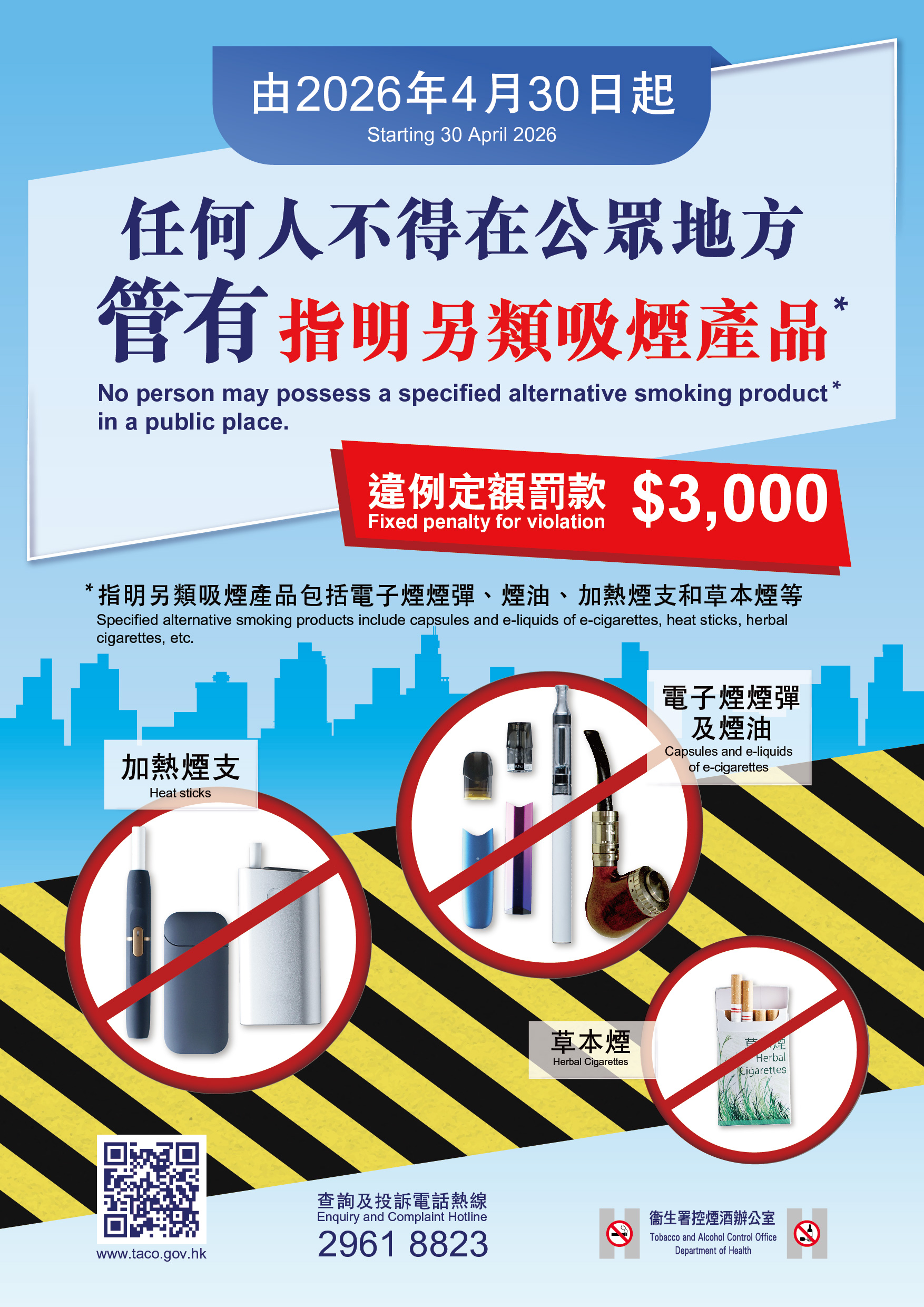
牆上的海報:公共衛生訊息與你息息相關
刊載於《am730》,2026 年 9 月 28 日
下次等候看醫生、途經社區中心或等待公共交通工具時,不妨留意牆上的公共衛生海報。街頭巷尾隨處可見各類健康海報,涵蓋糖尿病症狀、精神健康支援、疫苗接種建議,以及戒煙資訊等。許多人只是匆匆瞥一眼,然後繼續低頭看手機。然而,這些資訊往往可能成為及早求助,甚至挽救生命的重要契機。
公共衛生海報一直是香港最持久、最具成本效益的健康推廣工具之一。儘管海報隨處可見,大眾往往低估了它們作為可靠且具行動指引的健康資訊來源。了解這些海報的重要性,以及如何善用相關資訊,本身就是一種值得培養的健康素養。事實上,市民在日常生活中經常接觸各類公共衛生海報,例如展示於巴士車身及車廂內的海報。除介紹疾病資訊外,海報亦附有求助熱線、網站、地區服務資料及二維碼 (QR Code),方便市民採取下一步行動。
許多人的求醫或求助行為,並非直接源於接收這些健康資訊,而是來自家人、朋友或同事的分享。因此,只要多留意身邊的健康資訊,並與他人分享,你便已成為健康知識傳播的「中介者」,而且幾乎不需任何成本。
例如,當你閱讀介紹中風早期徵兆的海報,認識到「FAST」── 面部下垂 (Face drooping)、手臂無力 (Arm weakness)、言語困難 (Speech difficulties),並及早求醫 (Time to call for help)。當你把這些知識與家人分享時,便可能幫助他們及早察覺問題。這種來自信任關係的提醒,往往比演算法或廣告更具影響力。
為讓市民接觸可靠的健康資訊,及早接受檢查、諮詢及治療,政府部門、公共衛生機構及非政府組織投放大量資源製作公共衛生海報。在資訊氾濫的數碼時代,以實證為基礎、面向社區需要而設的公共衛生海報更顯重要。下次看見有用的海報時,不妨停下腳步細閱,或掃描海報上的QR Code了解更多相關資訊。
Dr Ria Sinha
醫學倫理及人文學部講師
香港大學李嘉誠醫學院臨床醫學學院
————————————————————————————————————————————————————————————————————————
Original article in English
Posters on the Wall: Why Public Health Messaging Deserves Your Attention
The next time you find yourself sitting in a doctor’s waiting room, passing through a community centre, or waiting for public transportation, take a moment to look at the walls around you. Chances are, you will find a collection of posters and notices addressing everything from the symptoms of diabetes to mental health support lines, from recommended vaccines to advice on quitting smoking. Many of us glance at them briefly, and then look back down at our phones. This is a habit worth reconsidering, because those posters may, quite literally, save your life or the life of someone you love.
Public health posters have long been a cornerstone of health communication in Hong Kong. From bold post-war paper poster campaigns urging citizens to protect themselves from infectious disease to the modern, digital materials adorning public spaces today, health posters represent one of the most enduring and cost-effective tools in the public health toolkit. Despite their ubiquity, the public often underestimates their value as a source of reliable, actionable health information. Understanding why these posters matter, and how to use them effectively, is an important form of health literacy that we should all cultivate.
Posters reach people
The poster is a truly democratic medium, one that does not require digital literacy, internet access, or a prior relationship with a healthcare provider. This health democracy is not incidental. Public health authorities have long grappled with the challenge of reaching populations who are underserved by traditional healthcare systems: people in rural communities, elderly individuals living alone, those experiencing poverty or housing insecurity, and communities where there is mistrust or poor understanding of formal medical institutions. The community health poster meets people where they are, in spaces they already occupy, without demanding anything from them in return. It asks only for a moment of attention.
Actionable Information
Well-designed health posters produce measurable changes in health literacy and behaviours, but what distinguishes an impactful health poster from the decorative is the presence of actionable information that empowers the viewer to do something concrete. Contemporary public health posters are designed with this principle in mind. They typically include the name and symptoms of a health condition, alongside a clear call to action: a telephone helpline number, a website address, the name of a local service, or a QR code that links directly to further resources. These are not merely informational gestures, they are bridges between awareness and action, designed to reduce the barriers that so often prevent people from seeking help. More creative and mobile positioning of health messaging has seen public health information displayed on the inside and outside of buses.
The Department of Health creates many of the health posters on display around Hong Kong, providing a trusted source of information backed by community support services. This is crucial to ensure timely access to diagnostics, consultation and if necessary, treatment. Additionally, health information may be produced by reputable charities or NGOs, such as AIDS Concern, The Samaritans HK, Hong Kong Cancer Fund and many more, providing specialist information and support services.
The public as a conduit of health information
The power of the health poster extends beyond its physical presence on a wall. A significant proportion of health-seeking behaviour is prompted not by direct exposure to a campaign, but by a conversation with a trusted friend, family member, or colleague who encountered that information first. By simply taking note of the health information you encounter in your daily environment and sharing it with others you become an ‘information intermediary’, part of a health communication network that operates organically, at no cost, and with remarkable effectiveness.
For example, this means that when you pause to read a poster about the early signs of stroke; Face drooping, Arm weakness, Speech difficulties, Time to call for medical assistance, as captured in the FAST acronym, and then mention it over dinner to a family member who has been ignoring worrying symptoms, you are functioning as a public health asset. You are performing a role that health authorities genuinely cannot replicate through any other means. No algorithm, no targeted advertisement can replicate the persuasive power of a recommendation from someone you trust, know and care about.
Sharpening your awareness
So what does it mean to be a more engaged consumer of public health messaging? It means training yourself to notice what is on the walls of the spaces you inhabit. It means taking a photograph of a poster with useful information so you can refer to it later or share it digitally. It means pausing at a noticeboard outside a community centre rather than walking past. It means, when you see a QR code on a health poster, occasionally scanning it to see where it leads. Public health authorities and NGOs invest considerable time and expertise in producing accurate and impactful materials. They represent, in a very real sense, condensed professional medical knowledge delivered direct to the community.
The challenge for community health messaging
In an increasingly digital era it can be difficult to filter personally relevant health information, we live in an era of staggering health information overload, much of it unreliable and some of it actively dangerous. Against that backdrop, the humble public health poster, evidence-based, and community-facing, actually represents something quietly radical. It is information you can trust, placed precisely where you are, asking only that you take the time to look.
The next time you find yourself waiting somewhere, look at the walls. You might find something worth knowing and passing on.
Image credit:
Tobacco and Alcohol Control Office, Department of Health
https://www.taco.gov.hk/t/english/downloads/downloads_pp.html